

Being the Black Sheep
The Power of Intentional Rebellion
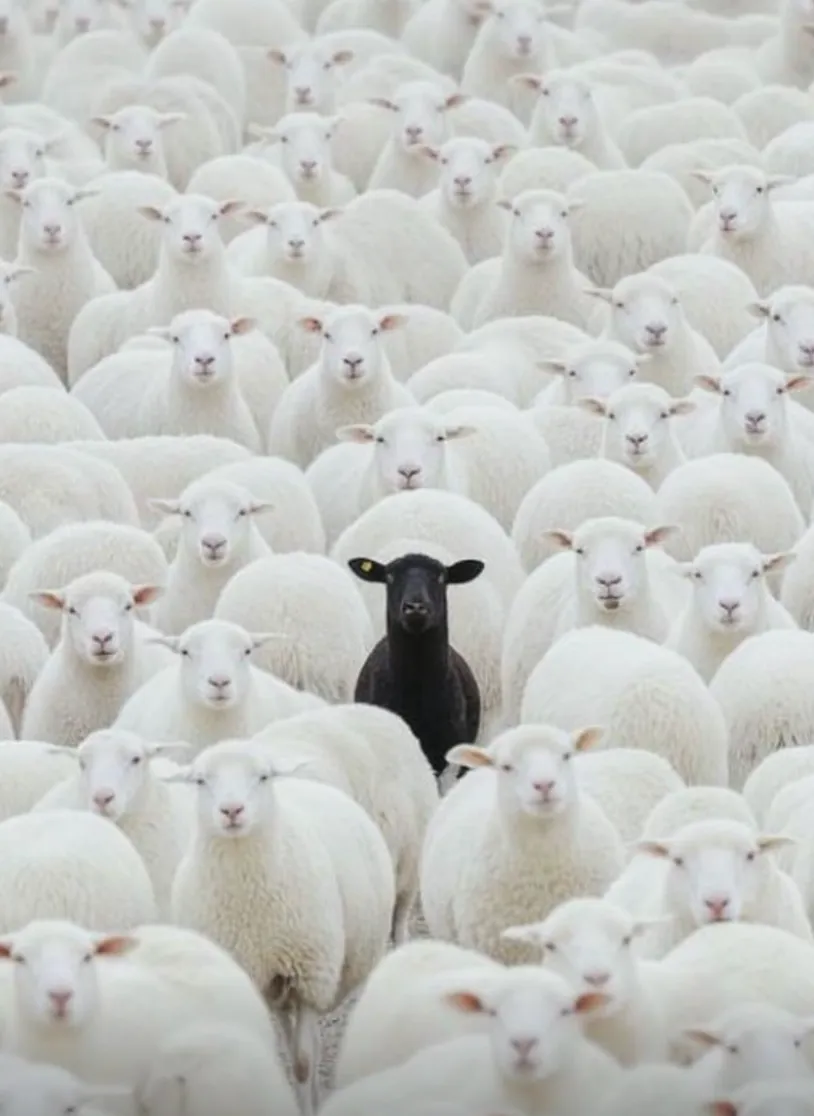
Let’s talk about being the “black sheep.” Traditionally, this term carries a negative connotation. It refers to someone who deviates from the norm, often viewed with skepticism or disapproval. But we live in a culture that is grappling with an overwhelming addiction to comfort and consumption. While existing in this context, being the black sheep can actually be the better way.
In western society, mediocrity and apathy are often accepted as standard operating procedure. In some ways, these approaches to life are even celebrated. In contrast to this, the black sheep— the one who dares to challenge the status quo — becomes a beacon of authenticity, courage, and resilience.
So, how do we embrace this identity? Let’s first look at what’s considered “normal” in our culture and why it should be the antithesis of the standard.
The Crisis of Normalcy
Let’s just look at a simple example
Do this and you’re normal:
- Morning Routine | Wake up late, grab a quick bowl of sugary cereal or a pastry for breakfast, and skip any form of exercise.
- Activity | Spend most of the day sitting at a desk or on the couch, scrolling through social media, or binge-watching TV shows and movies for hours without breaks.
- Nutrition | Rely heavily on processed foods, fast food, or takeout for meals, often choosing convenience over nutrition.
- Social Connections | Communicate primarily through social media or texts, with little to no face-to-face interaction.
- Evening Wind Down | End the day by mindlessly scrolling on the phone or watching TV late into the night, often leading to poor sleep quality.
Do this and you’re a weirdo:
- Morning Routine | Wake up early, prepare a nutritious breakfast using whole foods (e.g., eggs, vegetables, and whole-grain toast), and take time to meditate or practice gratitude.
- Activity | Engage in physical activity, such as going for a 5k run, accumulating 10,000+ steps per day, or hitting the gym, making movement a priority throughout the day.
- Nutrition | Focus on cooking healthy meals at home using fresh, unprocessed ingredients, and plan meals ahead to ensure balanced nutrition.
- Social Connections | Prioritize in-person interactions, whether through coffee dates, group workouts, or community events, fostering meaningful relationships.
- Evening Wind Down | Unplug from screens, read a book, or engage in a hobby that sparks creativity, leading to better sleep hygiene and a more restful night
The “normal” standards for health—whether physical, emotional, mental, relational, or spiritual—are concerning. Here’s a snapshot of the statistics:
- Physical Health | According to the CDC, nearly 74% of adults over 20 are overweight or obese. Physical inactivity is rampant, with only about 23% of Americans meeting the guidelines for aerobic and muscle-strengthening activity.
- Emotional Health | The prevalence of anxiety and depression has surged, with the World Health Organization reporting that approximately 1 in 4 people are experiencing a mental health disorder of some type.
- Mental Health | Stress levels are at an all-time high, with over 70% of Americans reporting extreme stress as a significant part of their daily lives. This mental burden is often linked to unhealthy coping mechanisms, including substance abuse and compulsive consumption.
- Relational Health | Even with (but often due to) “social media”, genuine connections are dwindling. Studies show that loneliness is as harmful to health as smoking 15 cigarettes a day, with nearly half of U.S. adults reporting feelings of loneliness.
- Spiritual Health | A growing number of people identify as “nondenominational” or “spiritual but not religious,” leading to a crisis of meaning. Research indicates that a lack of spiritual or religious community can lead to a heightened sense of isolation and despair.
What we consider “normal” is, frankly, a disaster. The collective addiction to comfort and consumption has created a culture of complacency, resulting in widespread dissatisfaction, depression, and disconnection.
The Black Sheep Approach
So how do we intentionally become the black sheep in a society that promotes unhealthy norms?
Here are actionable strategies in five key areas of life:
1. Physical Health | Do Difficult Things
- Get Moving | Instead of accepting a sedentary lifestyle, commit to regular physical activity. Aim for 30 minutes of movement most days. Try unconventional workouts like rock climbing, dance classes, or hiking.
- Choose Whole Foods | Shift your diet from processed foods to whole, nutrient-dense options. Learn to cook simple meals that nourish your body and mind.
2. Emotional Health | Challenge Toxic Positivity
- Embrace Authentic Emotions | Instead of glossing over your feelings, allow yourself to experience them fully. Practice emotional awareness and journaling to process your thoughts.
- Seek Support | Instead of suffering in silence, reach out to friends, family, or professionals. Normalize seeking help for emotional struggles and build a community around vulnerability.
3. Mental Health | Reject the Stigma of Struggle
- Prioritize Mental Wellness | Incorporate practices like mindfulness, meditation, or yoga into your daily routine. Make mental health a priority rather than an afterthought.
- Limit Screen Time | Set boundaries around social media and digital consumption. Engage in activities that stimulate your mind and foster creativity, such as reading or artistic pursuits.
4. Relational Health: Foster Genuine Connections
- Invest in Relationships | Take the time to nurture meaningful relationships. Do “DTRs” (define the relationship) within your actual friendships. Discuss what a defined friendship means to you and establish expectations of what that relationship should look like so it meets the needs of both people.
- Be Vulnerable | Share your struggles and triumphs with those you trust. Create a culture of openness and support within your community.
5. Spiritual Health | Seek Transcendence
- Explore Spirituality | Whether through traditional faith practices or personal exploration, seek out experiences that foster a sense of connection and purpose. Engage in reflective practices like meditation, nature walks, or community service.
- Question Norms | Don’t be afraid to challenge conventional beliefs and seek your own understanding of spirituality. Attend workshops, read diverse texts, and engage in meaningful conversations.
Being the black sheep isn’t about being rebellious for rebellion's sake. The purpose is not to neglect the well-being of the rest of the flock.
It does no one (including yourself) any good to be contrarian just for the hell of it. The point should always be alignment with a greater, better way to live. Instead of addiction to comfort and convenience, the path of the black sheep leads to growth, resilience, and a more fulfilling existence — not just for you, but for others around you as well.
So, be the black sheep. Dare to be different. Do the abnormal. Change the standards. Challenge the status quo. Support others in their journeys. Inspire those around you to embrace the struggle that ultimately leads to strength and fulfillment.
Remember, true growth almost always lies just outside the comfort zone.
This is the better way. ; )


Complete Training


