

What It Means to Be a Forever Athlete
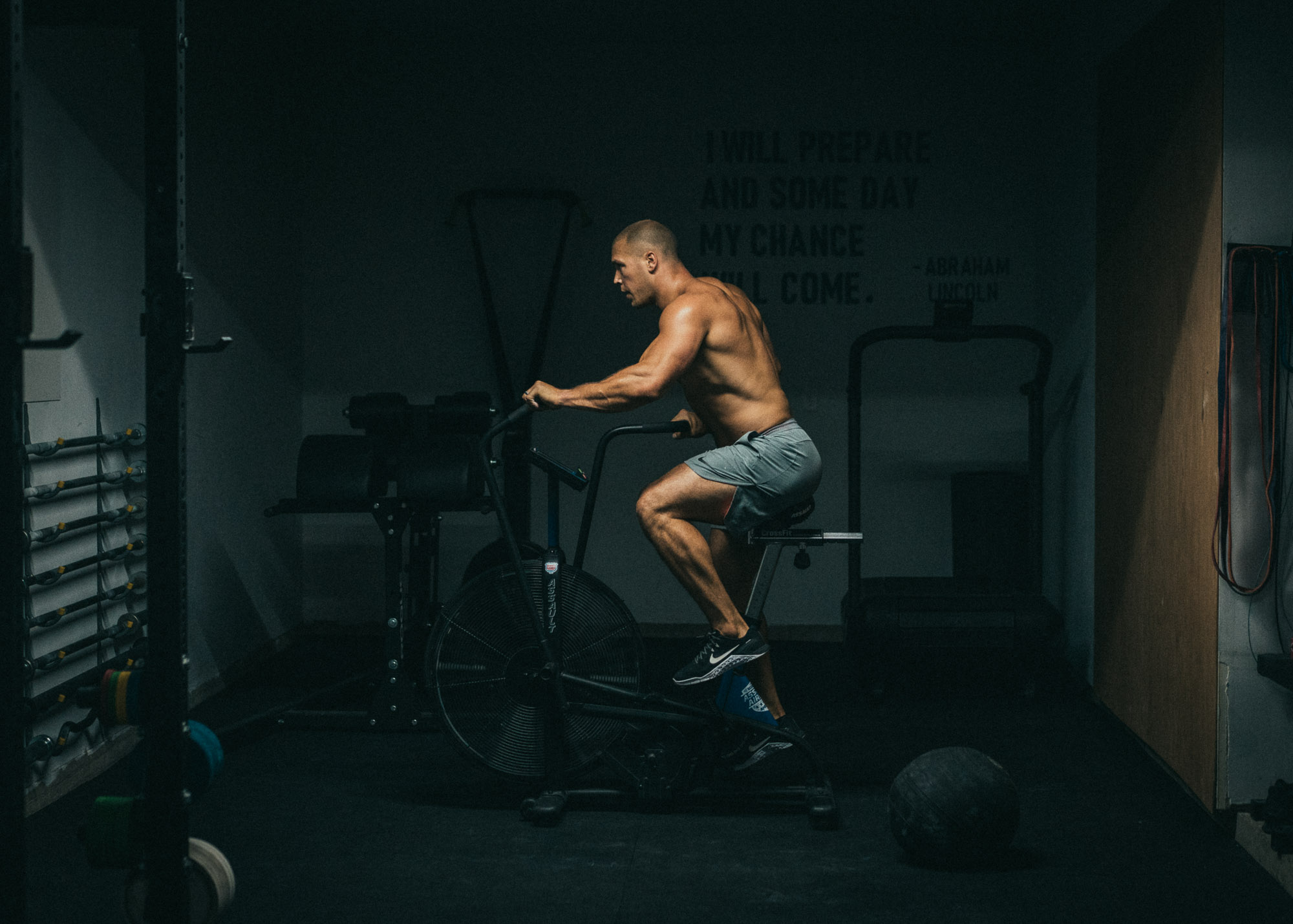
A forever athlete isn't defined by what they compete in. We define them by how they live. They train consistently. They build fitness that compounds over decades, not fitness that peaks for a season and collapses. They've made training a part of who they are, not a phase they're going through. And the result is a body, and a life, that keeps getting more capable rather than less, year after year.
Athletic identity isn't something we surrender at 35. It's something we carry forever.
The shift that matters
For the majority, the athlete identity only lasts when they're competing. They were a college soccer player. They were a CrossFit competitor for three years. They ran marathons in their thirties. The identity has a clear beginning and a clear end, and once it ends, training becomes optional. Training becomes something they used to do, and it's only real use was how it supported their performance in a particular sport.
The forever athlete reverses that. The identity isn't tied to competition. It's tied to consistency. The structure that survives the seasons of life that would have ended a competitive career. We train because that's who we are now, and the version of us that exists in twenty years depends on us being that person today.
The Three Forever Athlete Pillars: Capacity, Character, Crew
Capacity is the physical and mental ability to take on whatever life puts in front of us, today and forty years from now. It's the body that handles the task, the long hike, the late night, the unexpected emergency. It's the engine that keeps showing up. We build it through structured training across all three tenets, and we protect it through the daily habits that make adaptation possible, sleep, real food, recovery, and a growth mindset.
Character is the discipline to show up consistently. The humility to modify when we need to. The wisdom to train for longevity instead of ego. Character also transcends the training approach and impacts how we live off the training floor as well. The same character that cultivates growth and progress in the gym is the character that makes us net-positive people to the environments we are in. Forever athletes don't have superhuman willpower. They have a relationship with training that survives the days they don't feel like it. They've built defaults that don't require fresh motivation every morning. The training isn't a daily battle anymore. It's a daily practice.
Crew is the people we train alongside. The ones who share our values and push our standards. The research on long-term behavior change is unambiguous: the people we surround ourselves with shape who we become more than goals, willpower, or discipline. The crew is not a nice-to-have. It's the actual infrastructure that keeps training happening through the years when motivation fades. Find a crew, or build one. Whether in-person or remote, we're in your corner as a part of your crew.
What changes when we adopt this identity
When we identify as a forever athlete, training stops being something we have to motivate ourselves to do. It becomes something we naturally do because of who we are. This means missing training would feel like living someone elses life for a day. That subtle shift is the engine that produces decades of consistency.
Decisions get easier, too. The hard week at work doesn't put training in question, it just changes the shape of training that week. The injury doesn't end our identity, it just modifies what we're working on. The vacation doesn't break the streak, because forever athletes don't really keep streaks. They keep practices. And practices have natural rhythms that include the rest weeks, the modifications, the adjustments for real life, the easier weeks. The identity persists across all of it.
How to build it
The Forever Athlete identity isn't built in a single moment. It's built in a thousand small ones. The morning we show up tired and train anyway. The week we modify smart instead of skipping. The conversation where we describe training as something that helps us be more of ourselves. The investment in equipment, time, and community that signals, to ourselves more than anyone else, that this isn't a phase.
Eventually, the identity becomes self-reinforcing. We're a forever athlete because we train. And we train because we're a forever athlete. The loop closes. The years stack. And the body we have at 70 is the result of an identity we lived for forty years, not a workout plan we ran for a few months.
If this sounds like you, jump in the app and let's do it together.


Complete Training


